
How Does A Construction Mortgage Work?
Common Real Estate and Mortgage Definitions
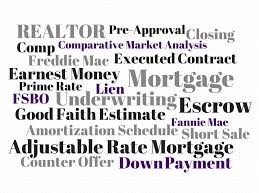
Below are some definitions of commonly used terms regarding real estate and mortgages. If you are planning on buying or selling a home in the Ottawa area or anywhere in Ontario for that matter, you should familiarize yourself with some of the terms. Contact me for any questions! The main information provided for these definitions and helpful advice on buying or selling a home can be found on the Canadian Mortgage and Housing Corporation (CMHC) website.
Adjustable mortgage interest rate:
When the interest rate and the mortgage payment vary, based on market conditions.
Closed mortgage:
In some cases, a closed mortgage cannot be paid off, in whole or in part, before the end of its term. In other cases, the lender may allow for partial prepayment in the form of an increased mortgage payment or a lump sum prepayment. However, any prepayment made above stipulated allowances may incur penalty charges.
Closing costs:
Costs in addition to the price of the home, such as legal fees, transfer fees and disbursements, that are payable on closing day. They range from 1.5% to 4% of a home’s selling price.
Closing day:
Date on which the sale of the property becomes final and the new owner takes title to the home.
Compound interest:
Interest calculated on both the principal and the accrued interest.
Condominium:
When you own the unit you live in (highrise or lowrise, or a townhouse) and share ownership rights for the common areas of the building along with the development’s other owners.
Conventional mortgage:
A mortgage loan up to a maximum of 80% of the lending value of the property. The lending value is the lesser of the purchase price and market value of the property.
Credit history or Report:
The main report a lender uses to determine your creditworthiness, displaying information about your ability to handle your debt obligations and your current outstanding obligations.
How attractive the house looks from the street. A home with good curb appeal will have attractive landscaping and a well-maintained exterior.

Down payment:
The portion of the home price that is not financed by the mortgage loan. The buyer must pay the down payment from their own pocket before securing a mortgage.
Duplex:
A building containing two single-family homes, located one above the other.
Fixed mortgage interest rate:
A locked-in rate that will not increase for the term of the mortgage.
Foreclosure:
A legal process where the lender takes possession of your property and sells it to cover the unpaid debt.
Home inspector:
A person who visually inspects a home to tell you if something is not working properly, or is unsafe. They may be able to tell you where there were problems in the past.
Interest:
The cost of borrowing money. Interest is usually paid to the lender in regular payments along with repayment of the principal (loan amount).
Interest rate:
The price paid for the use of money borrowed from a lender.
Lump sum prepayment:
An extra payment, made in lump sum, to reduce the principal balance of your mortgage, with or without penalty.
Mortgage:
A mortgage is a security interest given in the property you are purchasing which secures repayment of the loan related to the property. That security interest is discharged on payment of the principal and interest owning on the loan in accordance with the mortgage document.
Mortgage broker:
The job of the mortgage broker is to find you a lender with the terms and rates that will best suit you.
Mortgage lender:
A mortgage lender is an institution (bank, trust company, credit union, etc.) that lends money for a mortgage.
Mortgage term:
Length of time that the mortgage contract conditions, including interest rate, is fixed.
Open mortgage:
A flexible mortgage that allows you to pay part before the end of its term.
Property taxes:
Taxes charged by the municipality where the home is located, usually based on the value of the home. In some cases the lender will collect a monthly amount as part of the mortgage payment to cover your property taxes, which is then paid by the lender to the municipality on your behalf.
Real estate:
Property consisting of buildings and land.
Realtor or real estate agent:
A person who acts as an intermediary between the seller and the buyer of a property.
Row house:
Also called a townhouse, a row house is a unit of several similar looking single-family homes, side-by-side, joined by common walls.
Variable mortgage interest rate:
Fluctuates based on market conditions but the mortgage payment remains unchanged.
Vendor:
The seller of a property.
Related posts


