
How Does A Construction Mortgage Work?
An update on the Canadian real estate market in 2018!

Almost half a year has passed since the new mortgage rules that forced even homebuyers with a larger down payment to undergo a financial stress test have been rolled out.
What has happened since then? Home sales have recorded double-digit drops in Toronto and other big markets. On a positive note, however, the pace at which Canadians have been accumulating debt has slowed down, much to the Bank of Canada’s relief. Housing affordability hasn’t changed.
April home sales went down 35% in Vancouver compared to the same month last year, but an average home still costs 12 times the pre-tax income of the average local couple. In Victoria, B.C., the benchmark home price is six times what the typical local family makes before taxes and prices are still going up. And in Toronto, where home sales are down over 20% since a year ago, home prices are eight times average household incomes.
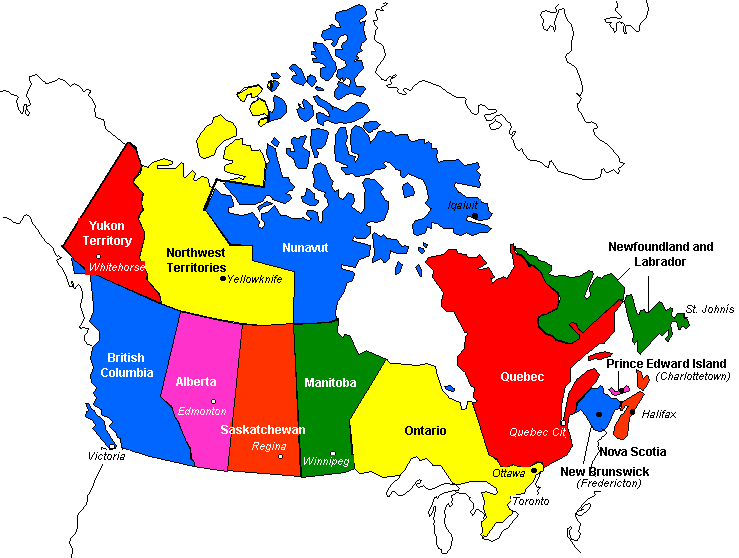
What about Atlantic and Central Canada? Saint John, N.B., St. John’s, Nfld., and Regina, Sask., are still the best cities for buyers, followed by Charlottetown, Saskatoon, Halifax and Edmonton. That’s what the numbers show for December, before the new mortgage rules kicked in.
Sadly, Montreal is becoming more expensive, but this has been obvious for a few years now. The same is true in Ottawa, but the salaries there are keeping up with the costs of living. One reason why home prices are holding up despite plunging sales in some markets has to do with home sellers, said the managing editor of a real estate website.
“A lot of this is psychological. A seller who is intent on making a profit on their home sale is more likely to pull their listing off the market and wait out softer market conditions, rather than sell for less than their neighbours got six months prior.”
This may actually be why the number of home sales has plummeted in some markets. Some people who would have otherwise been selling their home are staying put. Others pull their homes off the market after failing to get the price they wanted only to re-list the property a few weeks later. At the end of the day, buyers want to get as much buck as they can!

The real estate website editor added that the new home price isn’t necessarily lower but actually higher!
“The strategy depends on that specific market,” she noted. “These pricing skirmishes happen as market sales cool and have been rampant [in the Greater Toronto Area].”
Ontario’s Fair Housing Plan, which introduced a slew of market-cooling policies in April 2017, is also contributing to the trend. The point of Ottawa’s stricter mortgage rules was to force Canadians to take on less debt and reduce the risk of borrower defaults to the banks.
“While the government certainly had concerns regarding the sustainability of the housing market in 2016 and early 2017, the main intent of the rules was to improve the quality of mortgages held by lenders, and to reduce the vulnerability they posed to Canada’s banking system and economy,” she continued.
By demanding that homebuyers prove they’d be able to withstand a two-percentage-point raise in interest rates, the rules “insure against mass mortgage defaults, should borrowing costs change dramatically,” she added.
Pricey housing markets in British Columbia and Ontario are also feeling the impact of a series of provincial policies that are explicitly meant to help improve affordability.
But while the combination of these measures and the federal rules seems to have at least tamed priced growth, there’s now a new force inflating the percentage of income that Canadians are spending on housing: rising interest rates.
According to National Bank of Canada, middle-class first-time buyers would now spend over 40 per cent of their pre-tax income to cover just the mortgage payment of a typical condo in Vancouver and Toronto.
“Since buyers can hardly lay out a higher share of their income on housing than these two markets already required, a decline of prices is conceivable over the next few quarters if rates rise as we expect,” the bank said in a statement.
Who do you think will get the upper hand in the current tug of war between sellers and buyers?

Related posts


