
It’s Not Just Politics… Other Expenses Keeping Canadians Away From Spending on Housing
Debt Consolidation: The Pros and Cons
Whether you are hovering over the edge of going bankrupt or simply trying to find a way to manage your finances more efficiently, you must have noticed somewhere all the advertisements touting debt consolidation. But before you decide if debt consolidation is the way to go, first understand the advantages and disadvantages.
There are different debt consolidation options and each have pros and cons:
First of all what is debt consolidation?
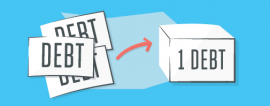
With debt consolidation, you are basically getting a single loan to pay off all of your smaller loans, leaving you with just one monthly payment as opposed to several. The idea is that one payment will be easier to manage. The main goal is to lower the interest rate and the monthly payment while paying off your debt faster.
Secured VS Unsecured Loans
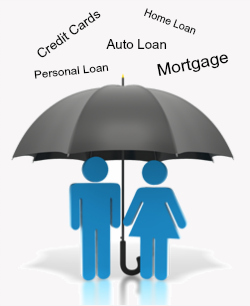
When you take out a secured loan such as a mortgage or car loan, you pledge some of your property, such as your home or your car, in order to secure the loan repayment. For example, when you get a mortgage loan, your house is security for repayment. If you do not keep up with repayment, the mortgage holder can foreclose on your house to satisfy the loan.
Unsecured loans are based exclusively on your promise to pay and are not secured by any property that can be foreclosed or repossessed to pay back the loan. Credit cards are examples of unsecured loans. Unsecured loans usually have a higher interest rate because they carry a greater risk for the lender.
Debt consolidation through Secured Loans
There are several ways to use secured loans for debt consolidation. Some of these options are refinancing your house, taking out a second mortgage, or getting a home equity line of credit. Taking out a car loan, using your automobile as collateral is another option. You can use other assets as security for a loan as well. Any of these could be options for debt consolidation. But are they the right option for you?
Pros
Secured loans typically have lower interest rates than unsecured loans so they may save you money on interest payments. Lower interest rates will reduce the monthly payment and make it more affordable. Sometimes the interest payments are even tax deductible. For example, interest paid on loans secured by real estate is allowed as a tax deduction in some instances.
In summary: one monthly payment with a lower interest rate will ease your financial burden significantly. Also, secured loans are generally easier to get because they carry less risk for the lender.
Cons
There is, of course, a downside to consolidating unsecured loans into one secured loan: when you pledge your assets as collateral, you are putting your pledged property at risk. If you can’t pay the loan back, you could lose your house, car, retirement fund, or whatever it is you might have used as security for the loan. Also, some assets, such as life insurance or retirement funds may not be available to you if the loan is not paid back before you need to use them.
The term of a secured loan may be longer than the term of the debt obligations that you consolidated. This could cause the total interest that you pay over the life of the consolidation loan to be more than the interest would have been on the individual debts, even though the monthly payment is lower.
Debt consolidation through Unsecured Loans
Unsecured personal debt consolidation loans are less likely to be available to people who need them because, in general, an unsecured loan will require the borrower to have very good credit. Accepting a low or no interest introductory rate on a credit card is often used as a substitute for an unsecured personal loan for debt consolidation.
Pros
A benefit to an unsecured debt consolidation loan is that none of your property is at risk. While the interest rate may be higher than a secured loan, it may be less than is charged on several different credit card balances, thus lowering your interest burden and your payments.
Cons
An unsecured debt consolidation loan may be hard to get if you don’t have very good credit. Generally, most people who need debt consolidation loans may not qualify. Also, interest rates are higher than secured loans. This may result in a payment that is not low enough to make a difference in your financial situation.
Related posts


